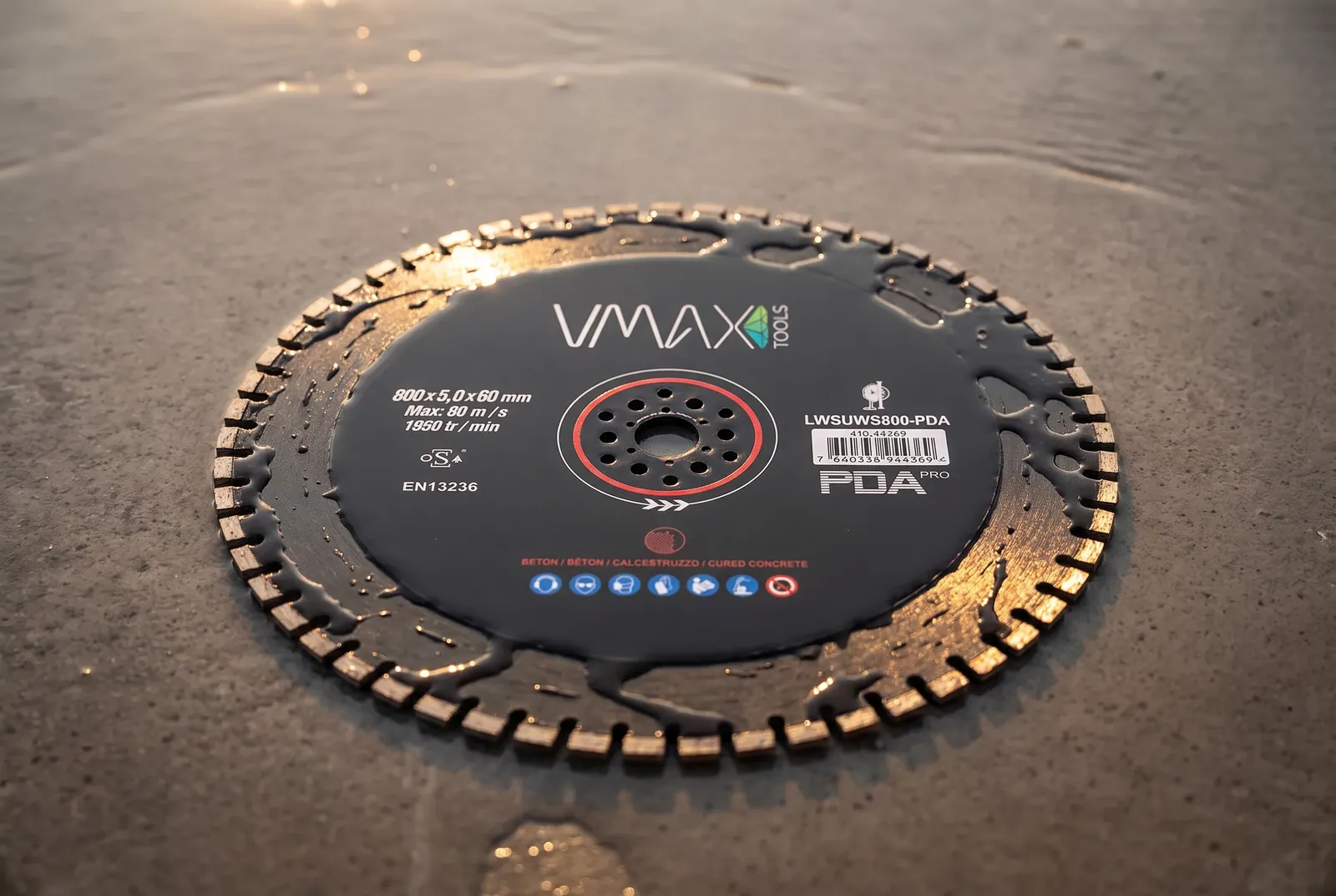
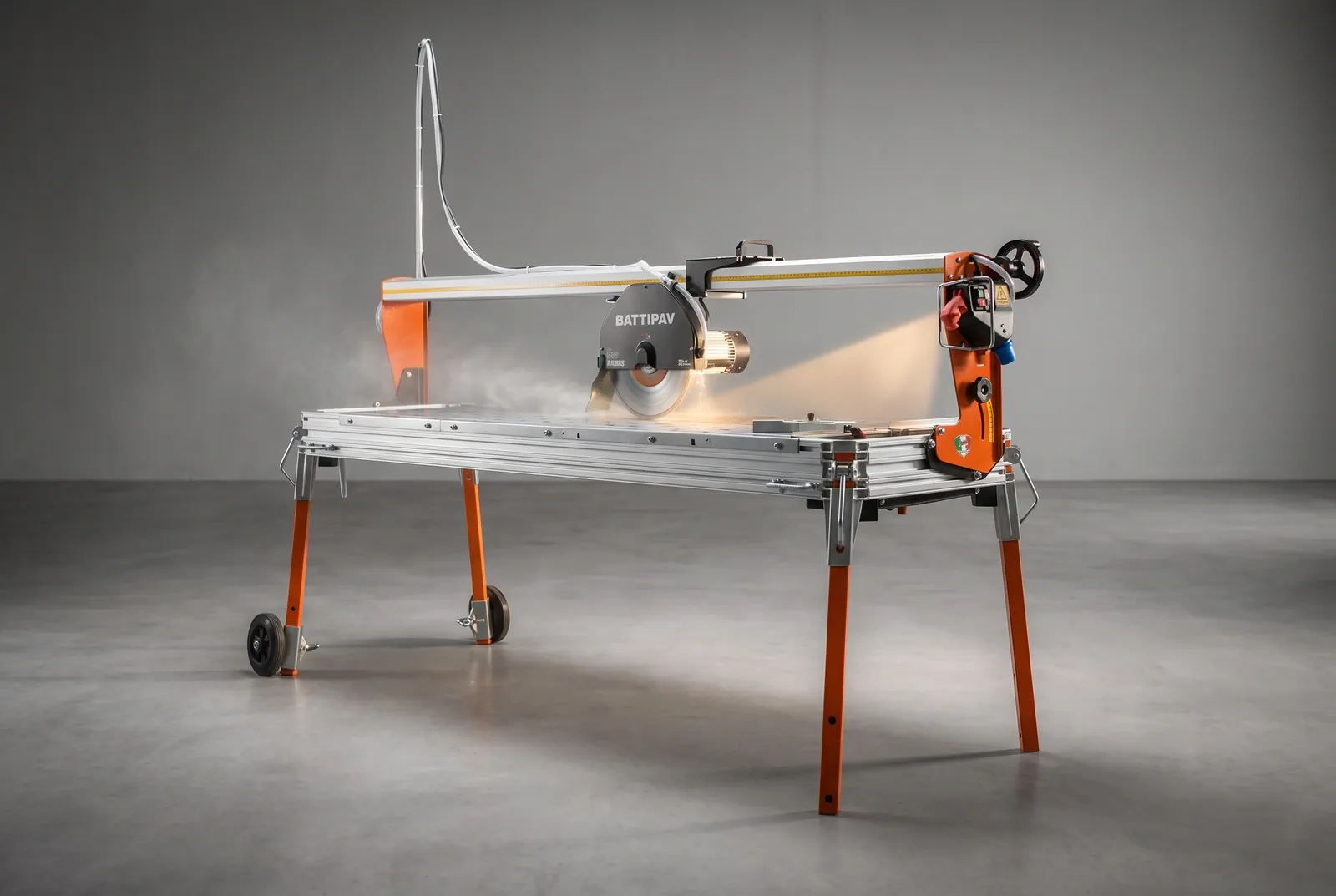
We check the condition of your tool or machine. Trained technicians carry out professional repairs using original spare parts.
We reapply diamond segments, replace worn parts and check function and quality before returning your equipment. An express service is available for urgent cases. We'll agree on the scope and timing with you.
For special applications, we work with you to develop custom diamond tools or adapt existing tools for more efficient workflows.
From feasibility assessment through concept and prototype to testing under real conditions: we support development through to series production and continue to support you afterwards.
Typical applications include natural and artificial stone, concrete, asphalt, ceramics, glass, carbon and fibre composites, cemented carbide and technical ceramics.
Are diamond tools more cost-effective despite their higher price?
Yes. Thanks to longer service life, better cut quality and shorter processing times, the total cost per workpiece is usually significantly lower.
Can diamond tools be resharpened or retipped?
Many tools can be reconditioned or retipped. This saves costs and is more sustainable than buying new tools.
Are there differences between wet and dry processing?
Yes. Wet processing extends tool life, improves cut quality and reduces dust. Dry processing is mostly used for mobile applications or small jobs, but requires tools with a special bond.