

Guides
Wet or dry cutting: Which is right when?
Wet or dry? The method determines how long your diamond cutting blade lasts, how clean the cut is and how much dust is produced. Here you’ll learn when each method is suitable and what to look for in a blade.
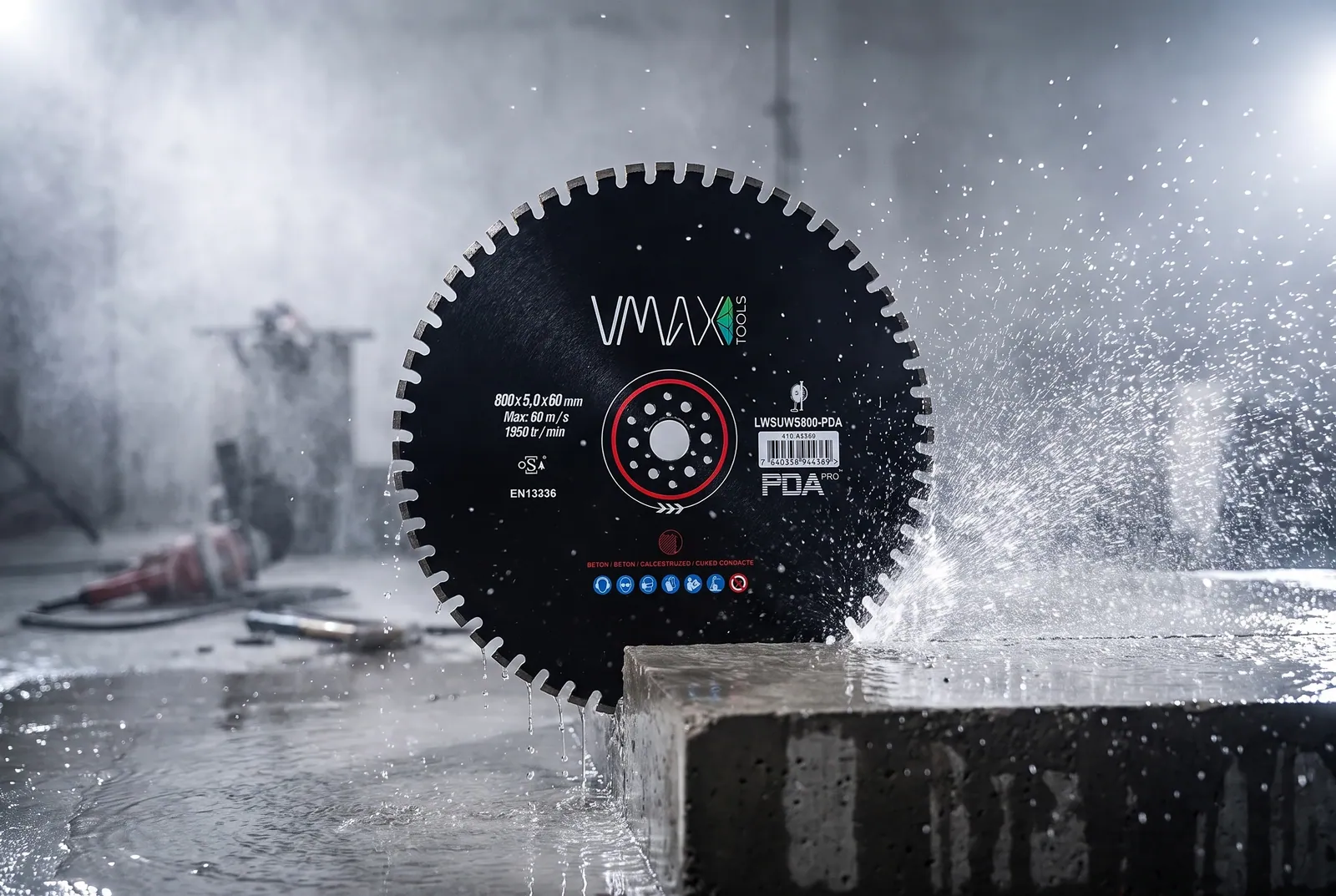
Wet cutting: cool, clean and long-lasting
When cutting wet, water cools the diamond segments and traps dust right at the cutting point. The blade stays sharp longer, the cut is cleaner and you work without a cloud of dust.
Wet cutting is especially worthwhile:
- for hard and abrasive materials such as granite, porcelain stoneware and reinforced concrete
- for long, deep cuts with a floor saw, table saw or wall saw
- indoors, where dust must not be produced
Dry cutting: flexible and fast
Without water, you have more freedom to move: no hose, no slurry, no water damage. But the blade gets hotter. Work in intervals and let the blade run freely for a short time between cuts so it can cool down.
Dry cutting is particularly suitable:
- for short cuts and adjustments on site
- with an angle grinder
- when water cannot be used, for example near electrical installations
Protect yourself from dust
Cutting concrete, natural stone and ceramics produces fine silica dust. If you cut dry, use dust extraction and a suitable respirator. Wet cutting significantly reduces dust.
Which blade for which method?
Check the marking on the blade: many diamond cutting blades are approved for both wet and dry cutting, while some are approved for wet cutting only.
Segmented blades with cooling slots and turbo blades handle dry cutting well. Continuous-rim blades for tiles and porcelain stoneware work best wet and produce the cleanest edges.
Diamond tools for the angle grinder
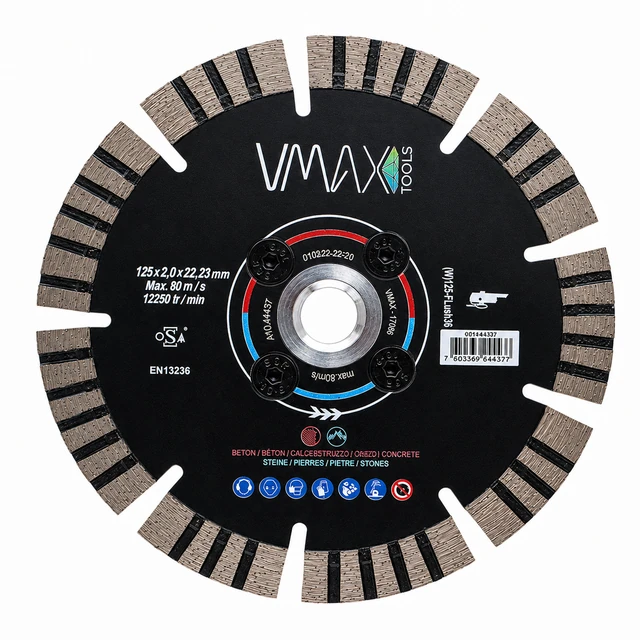
Diamond cutting blades for angle grinders with flange M14 125mm
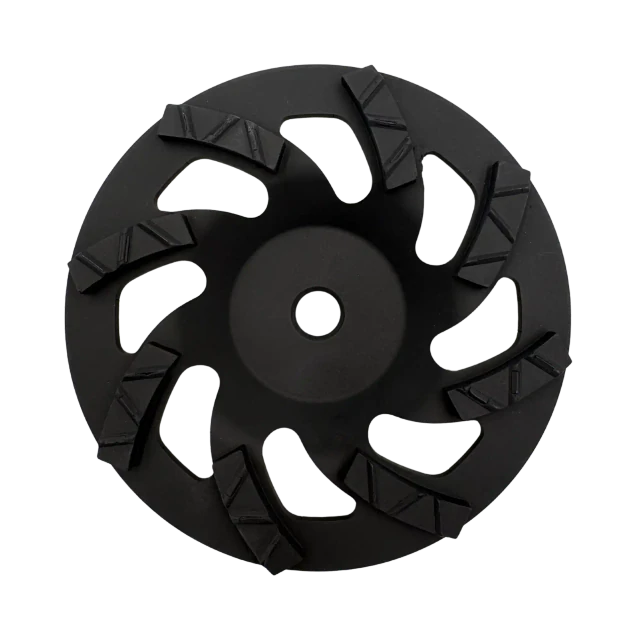
PCD grit diamond grinding cup wheel for angle grinders 100mm M14
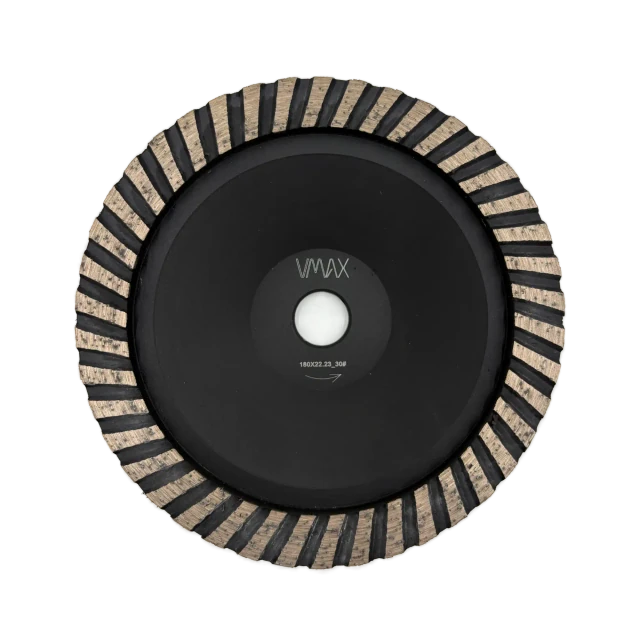
Diamond grinding cup wheel ALU Turbo for angle grinders 180mm
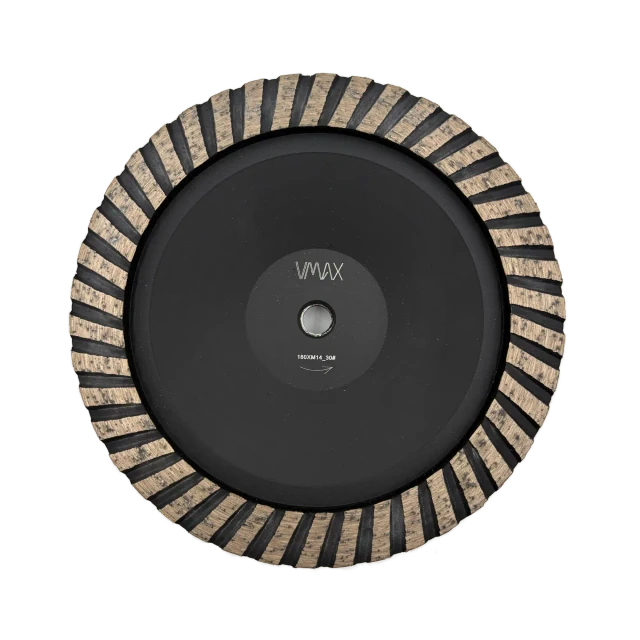
ALU Turbo diamond cup wheel for angle grinders 180mm M14
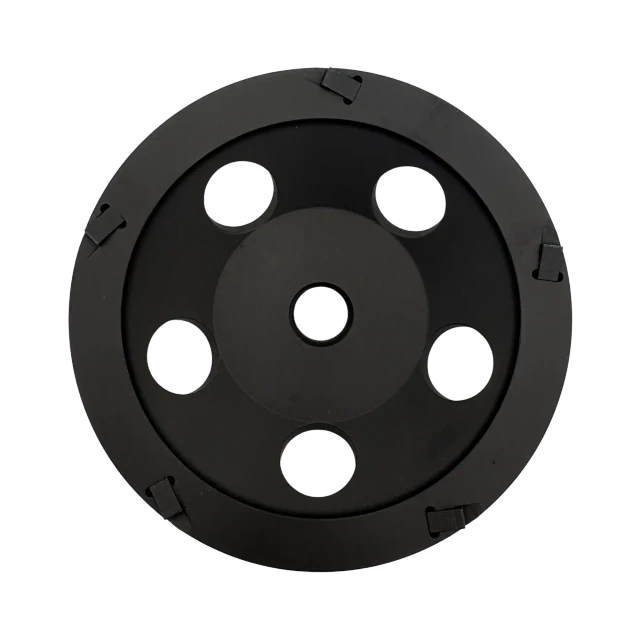
PCD diamond grinding cup wheel for angle grinders 100mm M14
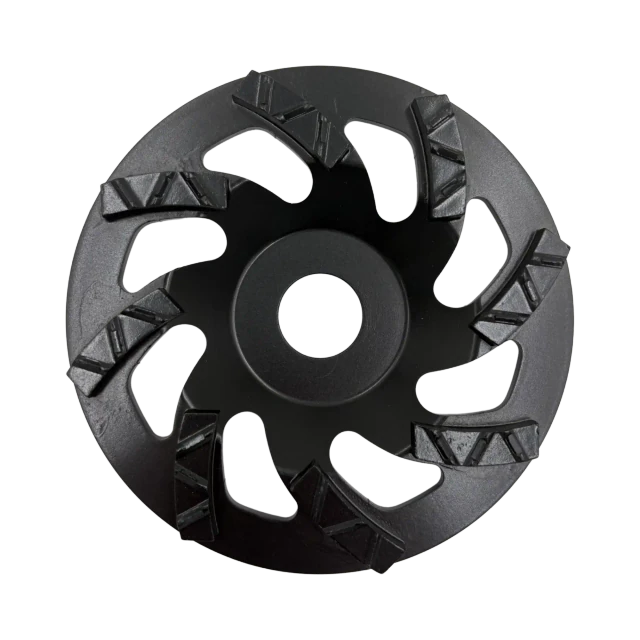
PCD grit diamond grinding cup wheel for angle grinders 100mm
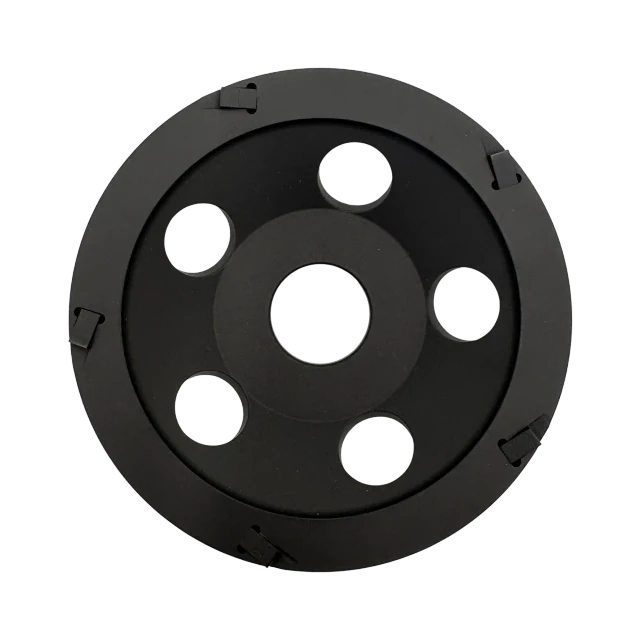
PCD diamond cup wheel for angle grinders 100mm
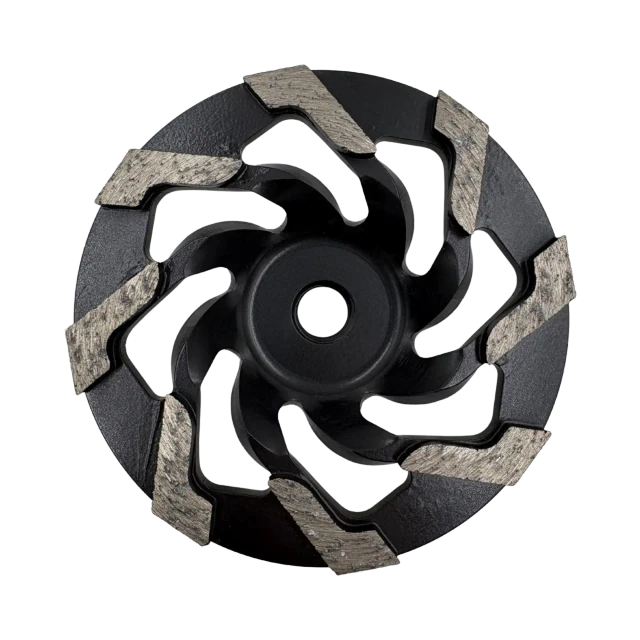
FLGP diamond grinding cup wheel for angle grinders 105mm M14
Frequently asked questions
Can I use any diamond cutting blade dry?
No. Check the marking on the blade. If it is approved for wet cutting only, you must not use it dry, or the segments will overheat.
How much water does wet cutting need?
A steady film of water at the cutting point is enough. What matters is that the water flows throughout the cut.
How can I tell if my blade is dull?
It cuts more slowly, you need more pressure, and sparks or burn marks appear. Cutting through soft, abrasive material such as sandstone or aerated concrete often helps sharpen the blade.
Can you replace the segments on worn tools?
Yes. We inspect your tools and replace the segments, with express service available on request. Just get in touch.
Not sure which blade is right?
Tell us your material, machine and cutting depth. We’ll recommend the right blade.
Ask for advice